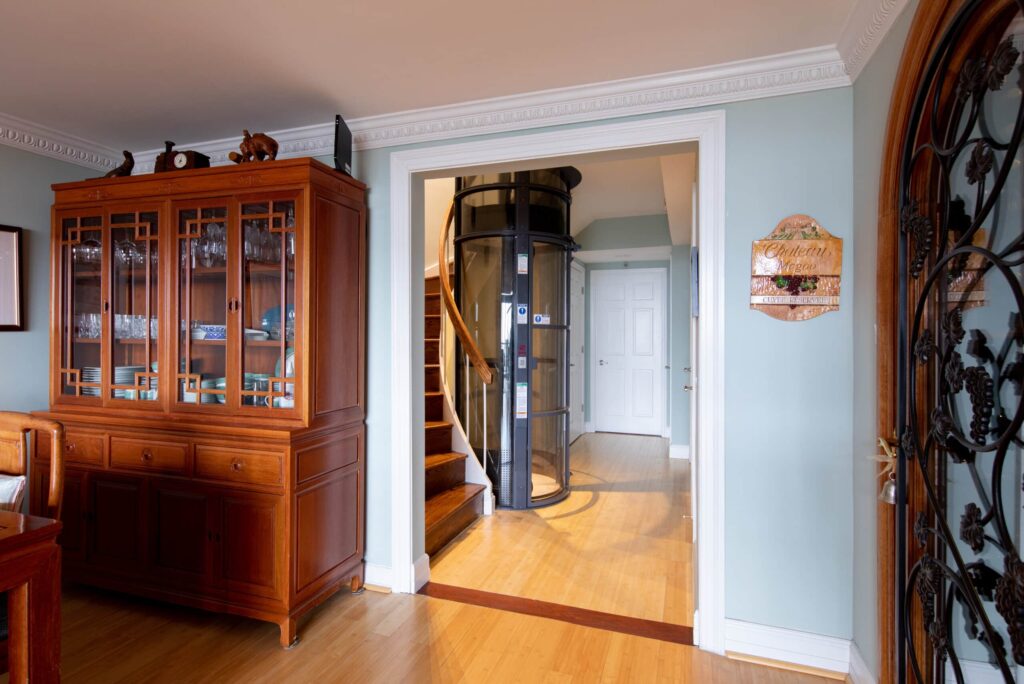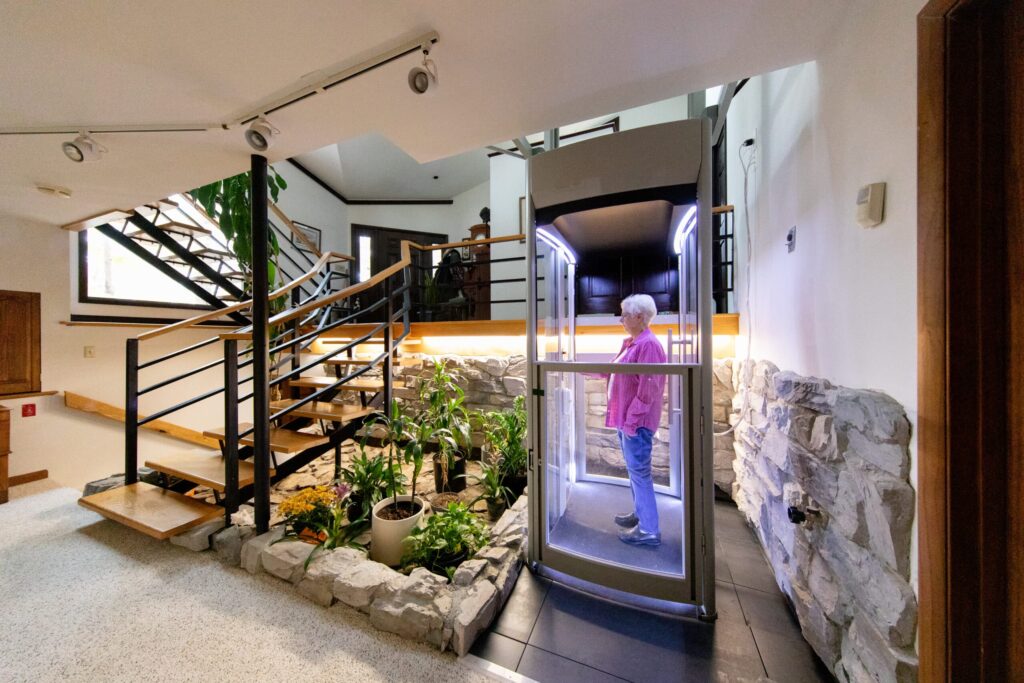



Getting a residential elevator installed is a significantly life-changing decision. Whether you live in Potomac, Bethesda, Rockville, Kensington, or Silver Spring, adding an elevator can greatly improve your life and the value of your home. But even with the benefits of accessibility and convenience, many people hesitate to invest in a residential elevator because of these big myths.
Myth #1: Residential Elevators are Unaffordable
Although they might be a considerable investment, residential elevators are quite reasonably priced. Depending on how much customization is involved, the cost of a residential elevator can range from $25,000 to $75,000. These figures assume another contractor is doing or has done the elevator hoistway and electrical work.
Myth #2: Residential Elevators are Dangerous
Safety concerns often prevent people from enjoying the benefits of a residential elevator. Some people are afraid that the elevator might drop suddenly or that they could become stuck inside and run out of oxygen. But rest assured, our residential elevators are designed with safety as the top priority.
A single elevator cable, even if partially severed, will still be strong enough to hold the full weight of the elevator cab, and at least four cables are used for support. According to basic safety regulations, a residential elevator cannot be designed with an airtight seal, so you’ll never have to worry about suffocating.
You won’t get stuck in your residential elevator in the first place because, even during a power outage, the elevator has an automatic battery backup system that will take you to the lowest floor and open the doors.
Myth #3: Residential Elevators Malfunction Easily
The anxiety associated with buying a residential elevator is understandable. Even with safety standards in place, you might wonder if your elevator could malfunction under unusual circumstances, such as exceeding the weight limit.
An elevator’s weight limit is a common concern, which is why all residential elevators are designed to ring a warning bell or buzzer to let you know if they have exceeded capacity. This is rare since most residential elevators can hold upward of one thousand pounds. The elevator will remain stationary until the weight limit is back under control.
If anything else could possibly make your residential elevator drop suddenly, it has a built-in mechanism that prevents it from lowering more than a certain speed. This is usually in the form of a braking system of rails that run down the elevator shaft. Even in a worst-case scenario, your elevator will safely lower you to a stop.
Install a Home Elevator With Signature Elevators
Signature Elevators & Accessible Design works with leading manufacturers to provide you with the beautiful residential elevator that you need. Located in Rockville, MD, we have years of experience with incorporating elevators into multi-story homes and working with customers to ensure the elevator meets their specific needs.
With styles from modern tubes to wood-paneled cabs, Signature Elevators has all the tools to build the perfect elevator for your home.
Contact us today to discuss a home elevator installation in Maryland, Virginia, Baltimore, or the DC metro area.
The manufacturers we represent are:
FAQs
Are residential elevators only for luxury homes?
No. Residential elevators are installed for many practical reasons, including aging in place, improving accessibility, reducing fall risks, and making it easier to move groceries, luggage, laundry, or other heavy items between floors. Home elevators are available in several designs and configurations that can work with different home layouts, budgets, and mobility needs.
How much does a residential elevator cost?
The cost of a residential elevator varies based on the elevator type, number of floors, equipment, cab finishes, construction requirements, and level of customization. A professional in-home evaluation is the best way to determine the total project cost because some homes may require a new hoistway, electrical work, structural modifications, or other preparation.
Are home elevators safe?
Yes. Professionally installed residential elevators are designed with safety features that help control movement, prevent unintended operation, and protect passengers. Depending on the model, features may include emergency braking, door interlocks, overload warnings, backup power, emergency lowering, alarms, and in-cab communication systems.
Can a residential elevator operate during a power outage?
Many residential elevator models include a battery backup or emergency lowering system. Depending on the elevator, this feature may lower the cab to a designated floor and allow passengers to exit safely during a power interruption. Available backup features should be reviewed when selecting an elevator because they can vary by manufacturer and model.